July 2026
How to Go Birding on a Lima Layover
How to go birding on a Lima layover: the best sites minutes from Jorge Chávez airport, how many species you can see in 3–8 hours, what to bring, and how airport-pickup layover tours work.
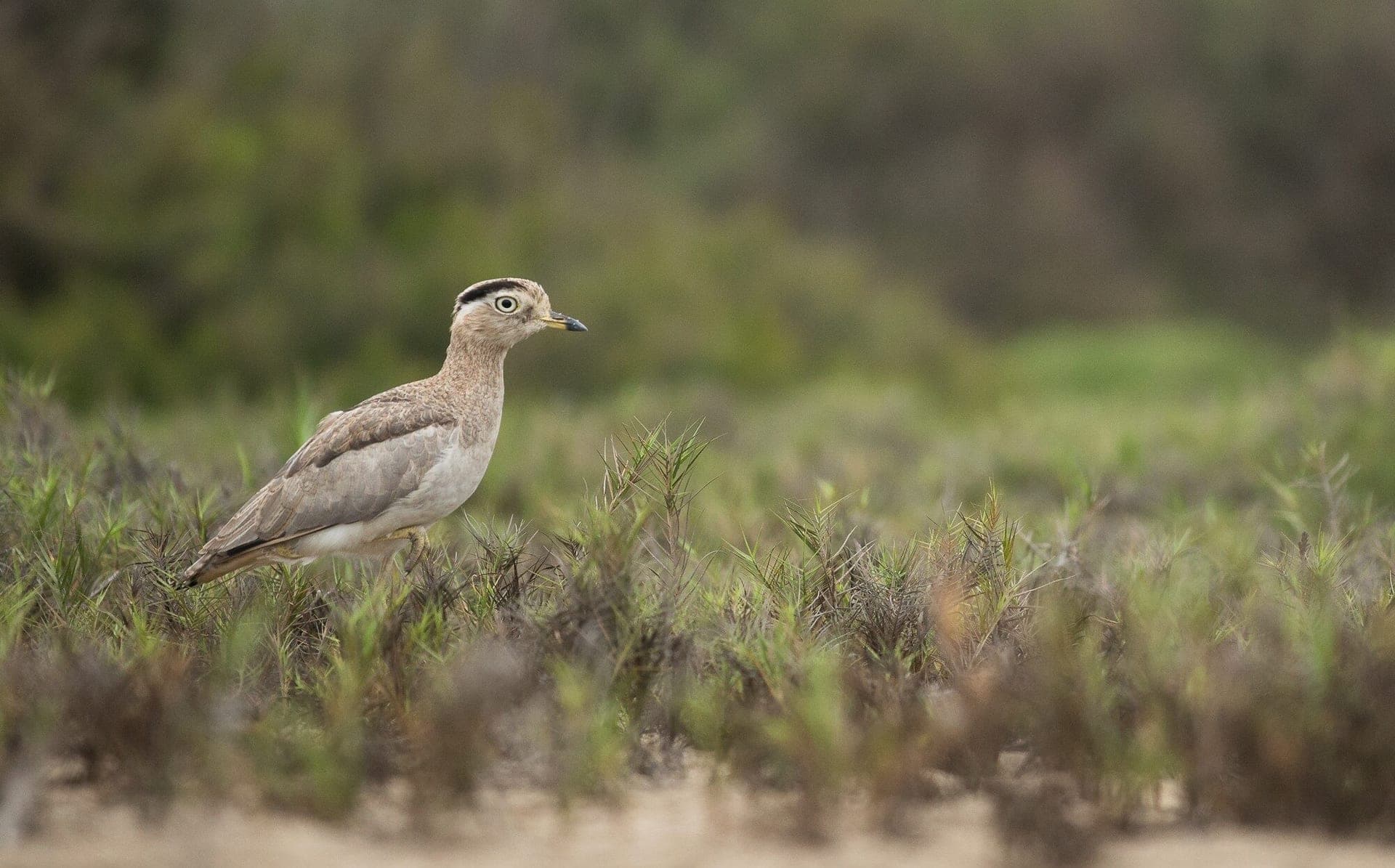
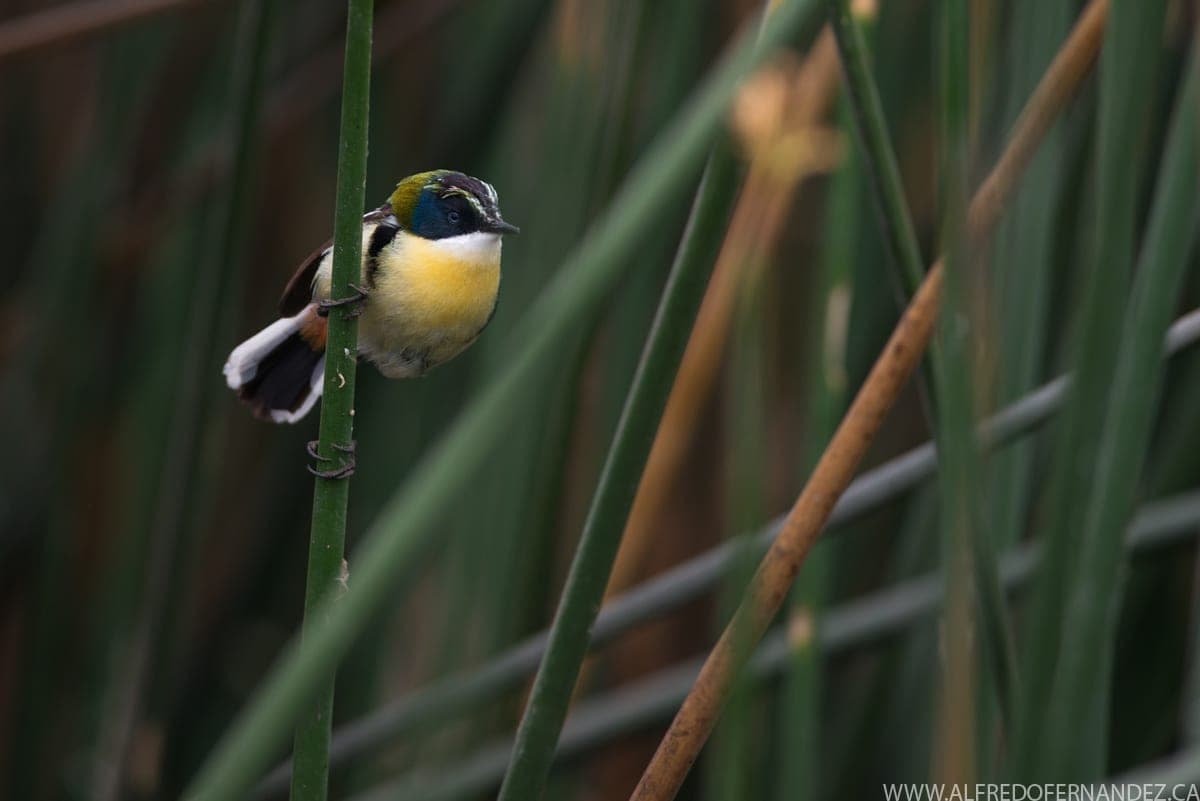
Most international birders meet Lima the same way: bleary-eyed, mid-journey, killing five hours in Jorge Chávez International Airport between the flight home and the trip of a lifetime that already happened somewhere else. Here is the secret those birders miss — Lima's airport sits closer to world-class wetland and coastal birding than almost any major hub on Earth. The Ventanilla marshes are barely twenty minutes from the terminal. In the time most passengers spend queueing for a sandwich, you could be watching Many-colored Rush-Tyrants flip through the reeds while Peruvian Thick-knees stare you down across the dunes. This guide covers exactly how a layover birding run works: how much time you need, where you'll go, what you'll see, and how to be back at your gate with a comfortable margin — and a list.
Why Lima is the world's best layover birding city
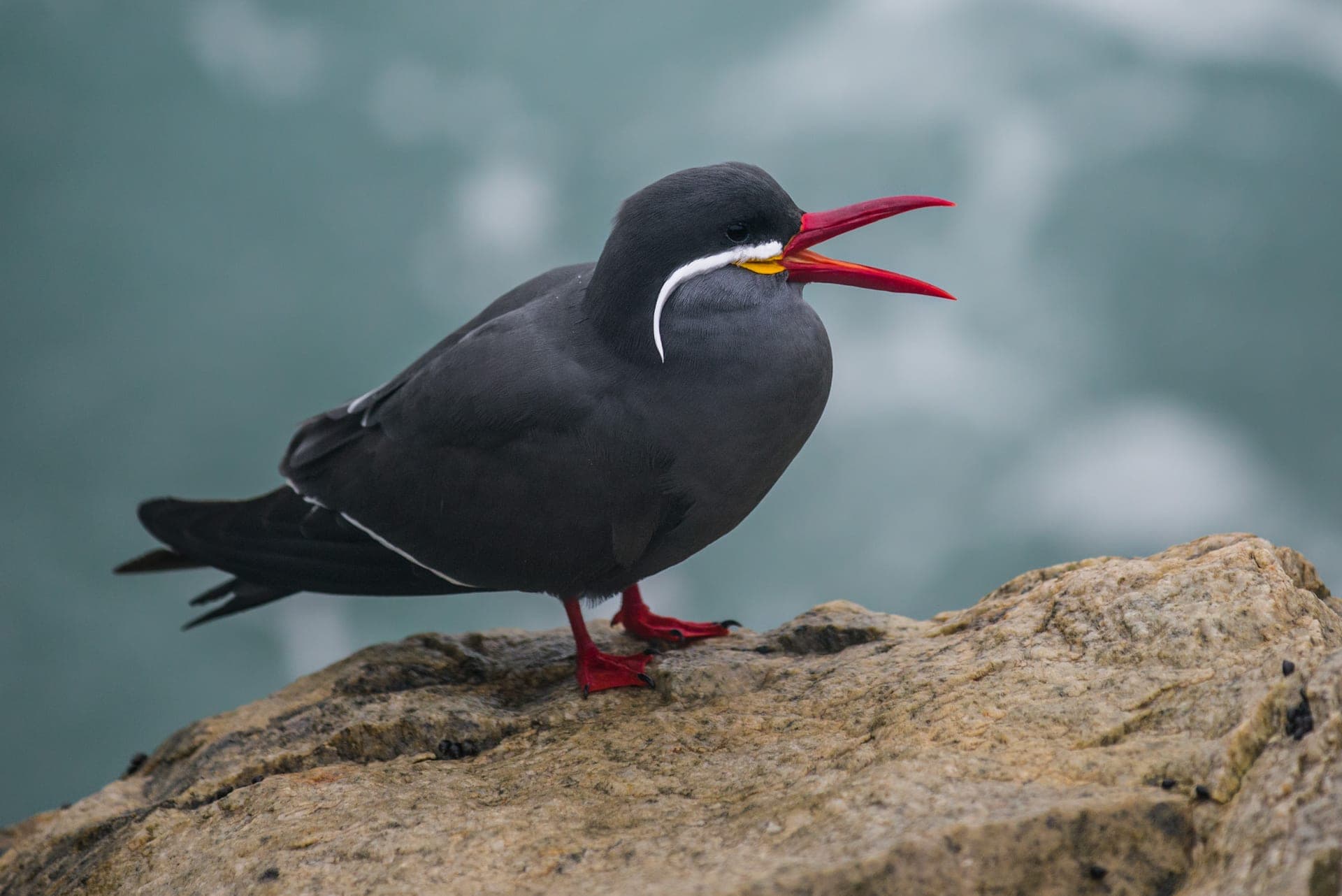
Three things make Lima unique among major hubs. First, geography: the airport sits in Callao, on the coast itself, so the habitat starts where the runway ends — no two-hour crawl out of a megacity before the birding begins. Second, the Humboldt Current: the cold, nutrient-rich water offshore powers one of the richest marine ecosystems on the planet, stacking the coast with seabirds in numbers that stun first-time visitors — rafts of Peruvian Boobies and Guanay Cormorants that pass for smoke clouds, Inca Terns crowding the rocks, Humboldt Penguins loafing within a boat ride of the port. Third, the wetlands: a chain of coastal marshes — Ventanilla to the north, Pantanos de Villa to the south — concentrates herons, rails, gallinules, shorebirds and marsh specialists into compact, easily birded reserves. Put together, a competent local guide can show you more species in four hours here than most layover cities could produce in a week.
How much time do you need?
The honest minimum is a five-hour layover, which nets roughly three hours of birding after airport logistics. Here is what different connections realistically buy you:
- 5–6 hour layover: Ventanilla marshes only — the closest site, 20–30 minutes away. Expect 35–50 species: Plumbeous Rail, Many-colored Rush-Tyrant, Wren-like Rushbird, Great Grebe, White-cheeked Pintail, herons, egrets and a shifting cast of shorebirds.
- 7–8 hour layover: Ventanilla plus the La Punta and Callao seafront — add Inca Tern, Peruvian Pelican, Peruvian Booby, Blackish Oystercatcher, Surf Cinclodes and, with luck, a distant Humboldt Penguin. A 60–80 species morning is normal.
- 10+ hours or overnight: everything above plus Pantanos de Villa, Lima's flagship wetland reserve to the south, or a Pucusana boat run for point-blank seabirds. Eighty-plus species and a genuinely full Peruvian day list.
If your connection is shorter than five hours, be honest with yourself and stay in the terminal — international re-check-in queues at Jorge Chávez can be slow, and no bird is worth a missed intercontinental flight. Book the layover tour on your way IN to Peru instead, or add a buffer day on your way home.
The sites, minutes from the terminal
Ventanilla is the workhorse of layover birding: a compact reed-and-lagoon complex north of the airport where the birds are dense, tame and photogenic. It is the single highest species-per-minute site within reach of any Lima traveller. La Punta, the historic naval district at the tip of the Callao peninsula, gives you the Humboldt seafront — terns, boobies, cormorants and oystercatchers along a pleasant esplanade — usually twenty minutes from Ventanilla. Pantanos de Villa, the RAMSAR-listed reserve on Lima's southern edge, is the biggest and birdiest of the three but sits across the city: save it for layovers of eight hours or more, when the round-trip traffic gamble makes sense.
What you can realistically expect to see
A typical five-hour run produces 35–50 species; a full layover day tops 80. The reliable stars: Many-colored Rush-Tyrant (arguably South America's most beautiful small bird, and common here), Peruvian Thick-knee, Plumbeous Rail, Great Grebe, Inca Tern, Peruvian Booby, Peruvian Pelican, Chilean Flamingo in season, Black Skimmer, and a supporting cast of austral and boreal migrants that rotates through the year. Photographers do especially well: coastal Lima's birds are famously confiding, the light off the Pacific is soft, and distances are short.
When to go — Lima birding season by season
There is no bad month. November to March (austral summer) brings boreal shorebirds — plovers, sandpipers, phalaropes — plus clear skies and warm mornings. May to October is garúa season: the famous coastal mist keeps things grey and cool, but the resident marsh birds, seabirds and rails perform exactly the same, and photographers get shadowless light all day. Bird activity in the wetlands is steady from dawn through late morning and picks up again toward dusk, so both morning and evening layovers work.
Logistics: how the airport pickup works
The tour is built around your flight times, not ours. We meet you at the arrivals exit with a sign, you keep your luggage locked in the vehicle throughout, and we plan the return so you are back at the terminal at least two and a half hours before an international departure — more if you have bags to re-check. Most nationalities (including the US, UK, EU, Canada and Australia) enter Peru visa-free as tourists, so leaving the airport on a layover is straightforward: you simply clear immigration like any visitor. If your itinerary involves separate tickets or a tight bag transfer, tell us when booking and we will plan a shorter, safer route — or talk you out of it honestly.
What to bring
- Binoculars — and a camera; the distances here flatter any lens.
- A light layer: garúa mornings are cool and damp even in the dry season.
- Comfortable shoes — terrain is flat and easy, but sandy in places.
- Your passport and boarding pass for re-entry to the terminal.
- Nothing else: water, scope and field guides are in the vehicle.
Booking your Lima layover tour
Our Lima Layover Birding Tour runs whenever your flights do — dawn departures, red-eye arrivals, Sunday afternoons. Send us your arrival and departure times and we will tell you honestly what your window allows, from a three-hour Ventanilla dash to a full coastal day. You will spend the last hours of your journey watching penguins and rush-tyrants instead of a departure board — and land home with a Peruvian list already started.
Only have a few hours between flights? Our Lima layover birding tour picks you up at the airport and makes the most of your time.
Want to see these birds in the field?
We run small-group birding and photography tours around Lima and across Peru, guided by the people who wrote this article.