Free Downloads
Peru Bird Checklists
Complete species lists for every birding site we guide near Lima — every bird recorded on eBird, in taxonomic order, endemics marked.
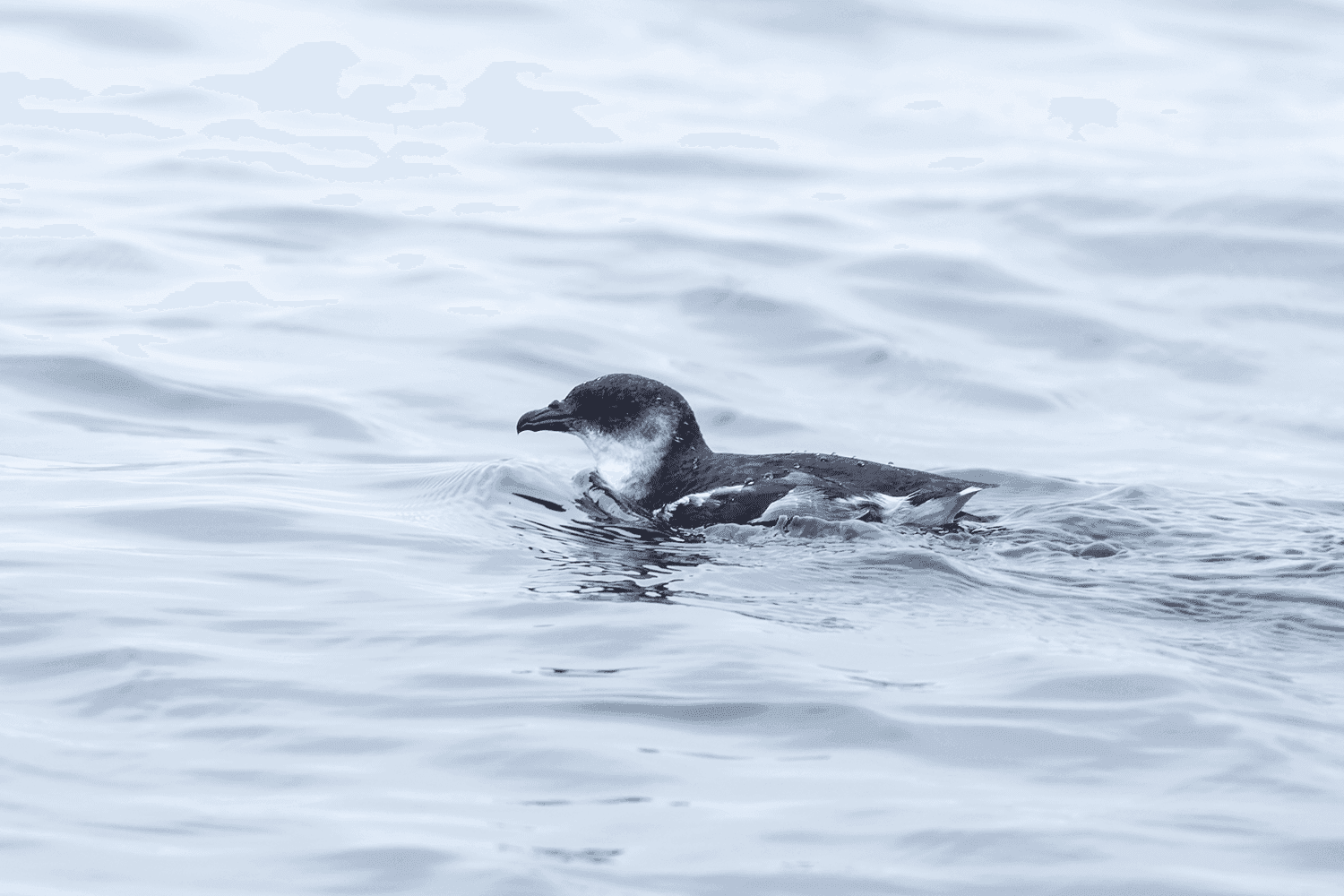
Photo © Jean Paul Perret
Species Lists
Complete bird checklists for the sites we guide in Peru
These are complete, downloadable bird checklists for the birding sites we guide in Peru. Each one lists every species recorded at that site on eBird — compiled across all of its hotspots, arranged in taxonomic order, with the Peruvian endemics marked — as a proper PDF you can tap through on your phone in the field or print and tick by hand. They're free, with no sign-up. We keep them in six groups: the coastal reserves and Andean canyons within a day trip of Lima, the high valleys and lakes of Cusco's Sacred Valley, the desert coast of Paracas and the south, the endemic cloud forests of the Satipo Road and Huánuco, the Manu Road, and the famous cloud forests of Northern Peru.
Every checklist is built from the public eBird record for the site and kept honest — the real list of what has actually been found there, not a wish list — and updated as new species turn up. Wherever a Peruvian endemic occurs it's flagged, so you can see the region's specialities at a glance. Download the ones you need below; each links to the tour that visits it.
Looking for one particular bird? Search every checklist by species to see which tours can get it for you.
Search by species →Lima & central Peru
Bird checklists for Lima's coast, wetlands and Andean valleys
Between them these 15 lists cover more than 416 species and 19 Peruvian endemics — the full sweep of central-Peru birdlife within a day trip of the capital. Looking for where to see a particular bird near Lima? The fog-oasis of Lomas de Lachayholds four coastal endemics — Coastal Miner, Thick-billed Miner, Cactus Canastero and Raimondi's Yellow-Finch — with Least Seedsnipe and Tawny-throated Dotterel on the desert flats. The wetlands of Pantanos de Villa and the Humedales de Ventanilla are the place for marsh specialists like the coastal Black Rail, Many-colored Rush Tyrant, Wren-like Rushbird, Least Bittern and Plumbeous Rail, alongside Chilean Flamingo, grebes and a long roll of migratory shorebirds. On the coast at Pucusana the Humboldt Current delivers Inca Tern, Peruvian Booby, Guanay and Red-legged Cormorants, Peruvian Pelican, the endemic Surf Cinclodes and even Humboldt Penguin — and the boat trips offshore add the seabirds of the open ocean. The short mini-pelagic brings Peruvian Diving-Petrel, storm-petrels and shearwaters over the upwelling, while the full offshore pelagicday reaches five albatrosses (Waved, Salvin's, Buller's, Chatham and Black-browed), Cook's and Galápagos Petrels, Southern Fulmar, South Polar Skua and Sabine's Gull. The desert scrub of the Azpitia Valley adds doves, Amazilia and Oasis Hummingbirds, Long-tailed Mockingbird and dry-country seedeaters. Right by the airport, the La Punta peninsula and the coastal lagoon of Poza de La Arenillapull in Lima's migratory shorebirds — Andean Avocet, Hudsonian Godwit, phalaropes and Peruvian Thick-knee — while the boat trip to San Lorenzo and the Palomino Islands adds guano-island seabirds, Humboldt Penguins and a huge sea-lion colony. Inland, the dry Andean canyon of Santa Eulalia— the road below 2,700 m — is the place for central Peru's inter-Andean endemics: Great Inca-Finch, Bronze-tailed Comet, Black-necked Woodpecker, Black Metaltail, Rusty-crowned Tit-Spinetail and Thick-billed Miner, with Torrent Duck on the river and Andean Condor overhead. Higher still, the 2-day tour climbs into the upper valley and its Polylepis woodland for White-cheeked Cotinga, then up to the Marcapomacocha and Ticlio bogs at 4,000–4,800 m for the critically endangered White-bellied Cinclodes, Diademed Sandpiper-Plover, Dark-winged Miner and Junín Canastero. Further into the puna, the great high-Andean lake of Junín (Chinchaycocha)holds two of Peru's rarest endemics — the near-flightless Junín Grebe and the Junín Rail — with rafts of Andean waterfowl, Giant Coot and more Diademed Sandpiper-Plovers.
Complete checklist · PDF
Lomas de Lachay
134 species · 6 hotspots · 4 endemics
Every bird recorded at the fog-oasis Reserva Nacional de Lomas de Lachay, with four Lima endemics — Coastal Miner, Thick-billed Miner, Cactus Canastero and Raimondi's Yellow-Finch — plus Least Seedsnipe and Tawny-throated Dotterel on the desert flats.
Complete checklist · PDF
Humedales de Ventanilla
165 species · 4 hotspots · 3 endemics
The coastal wetland reserve minutes from Lima airport — marsh specialists, waterfowl and shorebirds, with the coastal Black Rail, Surf Cinclodes and Coastal Miner marked.
Complete checklist · PDF
Pantanos de Villa
207 species · 12 hotspots · 3 endemics
Lima's Ramsar wetland and the biggest coastal list — rails, bitterns, grebes, Chilean Flamingo and a long roll of migratory shorebirds, endemics marked.
Complete checklist · PDF
Pucusana
152 species · 4 hotspots · 2 endemics
The Humboldt-Current seabird show around Pucusana and Isla Pucusana — Inca Tern, boobies, cormorants, Peruvian Pelican, the endemic Surf Cinclodes and Humboldt Penguin.
Complete checklist · PDF
Pucusana Mini-Pelagic
50 species · 6 hotspots · 1 endemic
The seabirds of the mini-pelagic boat trip — everything recorded on the water and around the islets within 15 km of the Pucusana shore: Waved Albatross, giant-petrels, Pintado Petrel, five storm-petrels, shearwaters, Peruvian Diving-Petrel, Humboldt Penguin and the endemic Surf Cinclodes.
Complete checklist · PDF
Peru Pelagic
76 species · 26 hotspots · 1 endemic
The full offshore day — every seabird recorded on Peru's pelagic waters within 40 km of the coast, compiled from the Lima, Pucusana and Paracas pelagic, island and seawatch trips. Five albatrosses (Waved, Salvin's, Buller's, Chatham, Black-browed), seven storm-petrels, Cook's, Galápagos and White-chinned Petrels, Southern Fulmar, Buller's Shearwater, both penguins, South Polar Skua and Sabine's Gull.
Complete checklist · PDF
Azpitia Valley
105 species · 2 hotspots · 2 endemics
The desert-scrub and riparian birds of the lower Azpitia Valley (Río Mala) — doves, hummingbirds, Long-tailed Mockingbird and dry-country seedeaters within reach of the coast.
Complete checklist · PDF
Lomas de Asia
79 species · 1 hotspot · 4 endemics
The community-protected fog oasis above the Panamericana south of Lima — four coastal endemics (Thick-billed Miner, Coastal Miner, Cactus Canastero and Raimondi's Yellow-Finch) plus Grayish and Slender-billed Miners, Oasis Hummingbird and Peruvian Sheartail. Available as a paid afternoon extension on the Pantanos de Villa & Pucusana tour.
Complete checklist · PDF
La Punta
114 species · 8 hotspots · 1 endemic
The La Punta peninsula in Callao — the seawatch off the tip and the leafy urban parks beside the airport. Inca Tern, Peruvian Pelican, boobies, Guanay and Red-legged Cormorants, Humboldt Penguin and the endemic Surf Cinclodes on the rocks, with Vermilion Flycatcher (including the dark morph), Amazilia Hummingbird, Croaking Ground Dove, Scrub Blackbird and Harris's Hawk in the parks.
Complete checklist · PDF
Poza de La Arenilla
121 species · 3 hotspots · 1 endemic
The coastal lagoon at La Punta — Lima's premier shorebird site, where thousands of North American migrants stage in season. Andean Avocet, Black-necked Stilt, Hudsonian Godwit, Wilson's Phalarope, yellowlegs, plovers and peeps share the brackish water with Peruvian Thick-knee, Black Skimmer, gulls and terns, and the endemic Surf Cinclodes on the adjacent rocks.
Complete checklist · PDF
San Lorenzo & Palomino Islands
79 species · 4 hotspots · 1 endemic
The Callao islands boat trip — San Lorenzo, Palomino, Cavinzas and El Frontón. Rafts of Guanay, Red-legged and Neotropic Cormorants, Peruvian Booby, Peruvian Pelican, Inca Tern and Humboldt Penguin around the guano rocks, with the endemic Surf Cinclodes on the wave-washed ledges and a South American Sea-lion colony thousands strong.
Complete checklist · PDF
Lower Santa Eulalia Valley
160 species · 15 hotspots · 8 endemics
The dry Andean canyon 90 minutes east of Lima, below 2,700 m — a desert-to-montane transect packed with central-Peru endemics. Great Inca-Finch, Bronze-tailed Comet, Black-necked Woodpecker, Black Metaltail, Rusty-crowned Tit-Spinetail, Thick-billed Miner and Rufous-breasted Warbling-Finch, with Torrent Duck on the river and Andean Condor overhead.
Complete checklist · PDF
Upper Santa Eulalia Valley
150 species · 11 hotspots · 12 endemics
The upper Santa Eulalia canyon above 2,700 m — montane scrub, riverine woodland and the first Polylepis, home to a dozen central-Peru endemics: Black Metaltail, Bronze-tailed Comet, Rusty-crowned Tit-Spinetail, Black-necked Woodpecker, Dark-winged Miner, Junín Canastero and White-cheeked Cotinga, with Great Inca-Finch lower down, Andean Condor overhead and Torrent Duck on the river. Covered on the 2-day Santa Eulalia tour.
Complete checklist · PDF
Polylepis Forest
123 species · 2 hotspots · 9 endemics
The high queñua (Polylepis) woodland of the upper Santa Eulalia — a rare, threatened habitat and the best place on the route for the endemic White-cheeked Cotinga, alongside Black Metaltail, Bronze-tailed Comet, Rusty-crowned Tit-Spinetail, Dark-winged Miner and Junín Canastero. Part of the 2-day Santa Eulalia tour.
Complete checklist · PDF
Marcapomacocha & Ticlio
155 species · 13 hotspots · 8 endemics
The high-Andean peat bogs and glacial lakes of the Central Highway, from 4,000 m to the Ticlio pass — the gateway to the Junín puna. The critically endangered White-bellied Cinclodes and the Diademed Sandpiper-Plover on the cushion bogs, with Dark-winged Miner, Junín Canastero, Black-breasted Hillstar, Olivaceous Thornbill, seedsnipes, Giant Coot and Puna Tinamou. The high-altitude finale of the 2-day Santa Eulalia tour.
Complete checklist · PDF
Lake Junín National Reserve
213 species · 12 hotspots · 9 endemics
The high-Andean lake of Junín (Chinchaycocha) at 4,080 m — a Ramsar site and one of South America's great bird lakes, and the only home of two critically endangered endemics: the near-flightless Junín Grebe and the Junín Rail. Its reedbeds and puna hold Junín Canastero, Black-breasted Hillstar, Dark-winged Miner and White-bellied Cinclodes, alongside rafts of Andean waterfowl, Giant Coot, Diademed Sandpiper-Plover and seedsnipes.
Cusco & the Sacred Valley
Bird checklists for Cusco's Sacred Valley
High above Cusco, the Sacred Valley of the Incas is one of the great birding landscapes of southern Peru, and our day tours thread its many habitats. Between them these 8 lists hold more than 667 species and 14 Peruvian endemics. The cloud-forest hummingbird sanctuary above Yanahuara— the ‘Ensifera’ camp — is named for the Sword-billed Hummingbird, the only bird on earth with a bill longer than its body, and its feeders draw the endemic Bearded Mountaineer, White-tufted Sunbeam and Green-and-white Hummingbird, with Undulated Antpitta and Chestnut-breasted Mountain Finch at the forest edge. On the valley floor the Río Vilcanota at Pachar and Ollantaytambo holds Torrent Duck and Torrent Tyrannulet in the rapids, with the endemic Inca Wren, Cuzco Brushfinch, Creamy-crested and Marcapata Spinetails in the gardens, scrub and Inca ruins. And the highland lake of Piuray above Chinchero fills with Andean Goose, Puna Teal, Yellow-billed Pintail, Slate-colored Coot and Chilean Flamingo, with Puna Ibis and Andean Flicker on the surrounding puna. Higher and wilder, the legendary road over Abra Málaga climbs from humid cloud forest and Chusquea bamboo through Polylepis woodland to the 4,316 m pass, and we split it into three checklists by elevation — the lower cloud forest, the upper forest and treeline, and the high Polylepis, pass and puna. Together they add the critically endangered Royal Cinclodes, the endemic White-browed Tit-Spinetail, Marcapata Spinetail, Masked Fruiteater and Yellow-scarfed Tanager, on one of the richest day-lists in the Andes. And down the Urubamba gorge, the cloud forest of the Machu Picchu Historic Sanctuary— split here into a lower gorge list and a citadel list — brings Andean Cock-of-the-rock, Golden-headed Quetzal, Torrent Duck and White-capped Dipper alongside the endemic Inca Wren and Masked Fruiteater, birding the world's most famous ruin.
Complete checklist · PDF
Ensifera Hummingbird Sanctuary
259 species · 5 hotspots · 8 endemics
The cloud-forest hummingbird sanctuary above Yanahuara — Ensifera Camp and the ACP Mantanay reserve. Its namesake Sword-billed Hummingbird shares the feeders with the endemic Bearded Mountaineer, White-tufted Sunbeam and Green-and-white Hummingbird, while Undulated Antpitta and the endemic Chestnut-breasted Mountain Finch work the forest edge.
Complete checklist · PDF
Ollantaytambo & the Río Vilcanota
346 species · 11 hotspots · 12 endemics
The richest list of all — the Sacred Valley floor from Pachar through Ollantaytambo, where the Río Vilcanota's rapids hold Torrent Duck and the endemic Green-and-white Hummingbird, and the town gardens, ruins and riverside scrub add Bearded Mountaineer, Inca Wren, Cuzco Brushfinch and a dozen Peruvian endemics.
Complete checklist · PDF
Lago Piuray & Chinchero
314 species · 10 hotspots · 6 endemics
The highland lakes above Chinchero — Lago Piuray and the wetlands and Inca terraces around it. Andean Goose, Puna Teal, Slate-colored Coot and around twenty Chilean Flamingos work the water, with Bearded Mountaineer, White-tufted Sunbeam and Creamy-crested Spinetail in the surrounding scrub and puna.
Complete checklist · PDF
Abra Málaga: Lower Cloud Forest
194 species · 12 hotspots · 2 endemics
The humid lower cloud forest of the Abra Málaga road above Ollantaytambo, up to around 3,400 m — the richest, most colourful band of the transect. Mixed tanager flocks, Andean Cock-of-the-rock, Blue-banded Toucanet, Crimson-mantled Woodpecker, Barred Fruiteater and Grass-green Tanager work the Chusquea bamboo and forest edge, with the endemic Bearded Mountaineer and Masked Fruiteater.
Complete checklist · PDF
Abra Málaga: Upper Forest & Treeline
224 species · 12 hotspots · 10 endemics
The upper cloud forest, elfin woodland and treeline of the Abra Málaga road, roughly 3,400 to 3,900 m — the endemic heart of the transect. Inca Wren, Marcapata Spinetail, Cuzco Brushfinch, Unstreaked Tit-Tyrant, Yellow-scarfed Tanager, Creamy-crested Spinetail, Rusty-fronted Canastero, White-tufted Sunbeam, Green-and-white Hummingbird and Chestnut-breasted Mountain Finch — ten Peruvian endemics — with Sword-billed Hummingbird, Great Sapphirewing, Undulated Antpitta, mountain-tanagers, Torrent Duck and Andean Condor.
Complete checklist · PDF
Abra Málaga: Polylepis, Pass & Puna
29 species · 12 hotspots · 2 endemics
The high finale of the Abra Málaga road — the Polylepis (queñua) woodland, the 4,316 m pass and the puna beyond. A short, focused list of the high-Andes specialities the road is famous for: the critically endangered Royal Cinclodes and the endemic White-browed Tit-Spinetail in the Polylepis, with Tawny Tit-Spinetail, Giant Conebill, Line-fronted and Junín Canastero, Puna Thistletail, thornbills, seedsnipes, ground-tyrants and Puna Tapaculo.
Complete checklist · PDF
Machu Picchu: Urubamba Gorge & Cloud Forest
283 species · 20 hotspots · 6 endemics
The humid Urubamba gorge and lower cloud forest of the Machu Picchu Historic Sanctuary — the river, the railway and the forest around Aguas Calientes, from Hidroeléctrica up to about 2,100 m. Andean Cock-of-the-rock lek in the ravines, Torrent Duck and White-capped Dipper work the rapids and Fasciated Tiger-Heron the boulders, with the endemic Inca Wren, Masked Fruiteater, Green-and-white Hummingbird and Creamy-crested Spinetail among tanagers, fruiteaters, toucanets and a dozen hummingbirds.
Complete checklist · PDF
Machu Picchu: Citadel & Cloud Forest
153 species · 18 hotspots · 8 endemics
The citadel itself and the higher trails of the sanctuary — Machu Picchu Mountain, Huayna Picchu and the upper cloud forest above about 2,100 m. A more endemic-rich list: Cuzco Brushfinch, White-tufted Sunbeam, Marcapata Spinetail and, in the Polylepis patches, White-browed Tit-Spinetail and Chestnut-breasted Mountain Finch, with Golden-headed Quetzal, mountain-tanagers and the endemic Bearded Mountaineer around the ruins.
Complete checklist · PDF
Laguna Huacarpay
176 species · 5 hotspots · 3 endemics
The Lucre-Huacarpay Ramsar wetland half an hour from Cusco — reedbed rails, Andean waterfowl and Giant Hummingbird, with Bearded Mountaineer and Rusty-fronted Canastero on the tree-tobacco slopes.
Complete checklist · PDF
Chonta Condor Mirador
151 species · 1 hotspot · 10 endemics
The Apurimac canyon rim at Chonta, where Andean Condors ride the updrafts at eye level — ten Peruvian endemics on one list, from Apurimac Spinetail and Apurimac Brushfinch to Koepcke's Screech-Owl.
Complete checklist · PDF
Soraypampa & Laguna Humantay
216 species · 2 hotspots · 11 endemics
The Salkantay high country at 3,900 m — eleven endemics including the critically endangered Royal Cinclodes, plus Tit-like Dacnis and White-tufted Sunbeam under the glaciers.
Paracas & the south coast
Bird checklists for Paracas & the south coast
Four hours south of Lima, the desert runs straight into the cold Humboldt Current, and the result is one of the richest stretches of coast in South America. Between them these 4 lists hold more than 253 species and 6 south-coast endemics. The Reserva Nacional de Paracas— Peru's oldest marine reserve — wraps a bay of mudflats, salt lagoons and wind-scoured beaches where Chilean and Andean Flamingos, the endangered Peruvian Tern, oystercatchers, Peruvian Thick-knee and thousands of migratory shorebirds gather, with the endemic Coastal and Thick-billed Miners, Surf Cinclodes, Slender-billed Finch and Raimondi's Yellow-Finch. Offshore, the boat trip to the Ballestas Islands— ‘Peru's Galápagos’ — runs through rafts of Peruvian Booby, Guanay and Red-legged Cormorants, Inca Tern, Humboldt Penguin and Peruvian Diving-Petrel. Inland, the Pisco and Caucato wetlands add reedbed and delta birds, and the desert oases and huarango forest around Ica hold the endemic Black-necked Woodpecker, Vermilion Flycatcher, Oasis Hummingbird and Peruvian Sheartail in a sea of dunes.
Complete checklist · PDF
Paracas National Reserve & Bay
224 species · 30 hotspots · 5 endemics
The Reserva Nacional de Paracas — Peru's oldest marine protected area, where the Humboldt Current meets the desert. Its bay mudflats, salt lagoons at Salinas de Otuma and wave-battered beaches (Lagunillas, La Mina, Playa Roja) hold Chilean and Andean Flamingos, the endangered Peruvian Tern, American and Blackish Oystercatchers, Peruvian Thick-knee, Surfbird and a long roll of migratory shorebirds, with five south-coast endemics: Coastal and Thick-billed Miners, Surf Cinclodes, Slender-billed Finch and Raimondi's Yellow-Finch.
Complete checklist · PDF
Islas Ballestas
161 species · 2 hotspots · 3 endemics
The Ballestas Islands — 'Peru's Galápagos' — a two-hour boat trip from El Chaco through rafts of Humboldt-Current seabirds. Peruvian Booby, Guanay and Red-legged Cormorants, Peruvian Pelican, Inca Tern, Blackish Oystercatcher and Peruvian Diving-Petrel wheel around the guano rocks, with Humboldt Penguin and a South American Sea-lion colony thousands strong, and the endemic Surf Cinclodes on the wave-washed ledges.
Complete checklist · PDF
Pisco & Caucato Wetlands
180 species · 11 hotspots · 5 endemics
The wetlands north of Paracas — the Río Pisco river mouth, the Humedal de Pisco and the Caucato marshes, a mosaic of reedbeds, lagoons and delta. Wren-like Rushbird, Great Grebe, Plumbeous Rail, White-cheeked Pintail, waterfowl and a rich passage of migratory shorebirds work the water, with the endemic Black-necked Woodpecker, Coastal Miner, Surf Cinclodes, Slender-billed Finch and Raimondi's Yellow-Finch nearby.
Complete checklist · PDF
Ica Desert Oases & Mesquite Forest
125 species · 11 hotspots · 3 endemics
The desert oases and huarango (mesquite) forest around Ica, south of Paracas — a green ribbon of river valleys, vineyards and the Huacachina lagoon in a sea of dunes. The mesquite holds the endemic Black-necked Woodpecker and Slender-billed Finch, with Vermilion Flycatcher, Amazilia and Oasis Hummingbirds, the Peruvian Sheartail, Croaking Ground Dove, Scrub Blackbird and dry-country seedeaters, and Coastal Miner on the open desert.
The Satipo Road & Huánuco
Bird checklists for the Satipo Road & Huánuco's cloud forests
Deep in the central Andes, on the little-travelled roads between Junín and Huánuco, lies one of the densest concentrations of range-restricted endemics anywhere in Peru. Between them these 4 lists hold more than 588 species and 19 Peruvian endemics. The Satipo Road — the Concepción–Satipo highway — tumbles off the puna through elfin woodland and cloud forest for the endemic Fire-throated Metaltail, Eye-ringed Thistletail, the recently described Junín Tapaculo and Black-spectacled Brushfinch. North of Lake Junín, above Acomayo, the mossy elfin forest of Bosque Unchog is one of the great names in Neotropical birding: the spectacular Golden-backed Mountain-Tanager shares its treeline with Bay-vented Cotinga, Pardusco, Coppery Metaltail and Rufous-browed Hemispingus. And on the Huánuco–Tingo María road the cloud forest of the Carpish tunnel and the Paty Trail add mixed flocks of mountain-tanagers, hummingbirds and furnariids by the hundred. These are the crown jewels of our Central Peru Birding Circuit.
Complete checklist · PDF
Satipo Road
382 species · 5 hotspots · 13 endemics
The upper Satipo Road — the Concepción–Satipo highway as it drops off the Junín puna through elfin woodland and cloud forest, a legendary and little-birded east-slope descent. Its mixed flocks and Chusquea bamboo hold the endemic Fire-throated Metaltail, Eye-ringed Thistletail, Junín Tapaculo and Black-spectacled Brushfinch, with Creamy-crested Spinetail, Unstreaked Tit-Tyrant and Yellow-scarfed Tanager, and Black-breasted Hillstar and White-bellied Cinclodes on the puna above.
Complete checklist · PDF
Bosque Unchog
305 species · 2 hotspots · 10 endemics
The legendary elfin forest of Bosque Unchog, above Acomayo in Huánuco — a mossy, wind-stunted woodland at treeline that is one of the most sought-after birding sites in Peru. Its flagship is the spectacular Golden-backed Mountain-Tanager, alongside the endemic Bay-vented Cotinga, Pardusco, Coppery Metaltail, Rufous-browed Hemispingus, Black Metaltail and Masked Fruiteater — an extraordinary cluster of range-restricted specialities in one small bowl of forest.
Complete checklist · PDF
Carpish Tunnel
380 species · 2 hotspots · 7 endemics
The cloud forest at the Carpish tunnel and pass on the Huánuco–Tingo María road — dense, epiphyte-laden montane forest still holding a huge list. Mixed tanager and furnariid flocks work the roadside, with the endemic Pardusco, Coppery Metaltail, Rufous-browed Hemispingus, Green-and-white Hummingbird and Masked Fruiteater among a rich supporting cast of mountain-tanagers, hummingbirds and antpittas.
Complete checklist · PDF
Senda Paty (Paty Trail)
377 species · 1 hotspot · 6 endemics
The Paty Trail (Senda Paty), descending from below the Carpish tunnel into taller, wetter cloud forest — the classic walking trail of the area and a magnet for mixed flocks. It shares the region's endemic Coppery Metaltail, Rufous-browed Hemispingus and Masked Fruiteater, adds the endemic Bay-vented Cotinga, and turns up quetzals, mountain-tanagers, barbets and a long list of cloud-forest specialities.
The Manu Road
Bird checklists for the Manu Road
The Manu Road — the Kosñipata valley descent from the Acjanaco pass into Manu National Park — is one of the most bird-diverse roads on Earth, and we split it into four checklists by elevation so each is manageable in the field. Between them they hold more than 909 species and 14 Peruvian endemics. At the top, the Acjanaco pass and treeline bring high-Andes birds like the endemic White-tufted Sunbeam and Chestnut-breasted Mountain Finch; the upper cloud forest of Pillahuata and Wayqecha is the endemic-rich core (Marcapata Spinetail, Cuzco Brushfinch, Inca Wren); the Rocotal belt adds mid-elevation tanagers and hummingbirds; and lower down, San Pedro and its famous Andean Cock-of-the-rock lek open onto the Amazon slope.
Complete checklist · PDF
Manu Road: San Pedro & the Cock-of-the-rock Lek
229 species · 4 hotspots · 1 endemic
The lower Manu Road around San Pedro and the famous Andean Cock-of-the-rock lek, in the Kosñipata valley — humid foothill forest where the road meets the Amazon slope. Male Cock-of-the-rock display at dawn, with toucans, barbets, trogons, mixed tanager flocks and the endemic Koepcke's Hermit.
Complete checklist · PDF
Manu Road: Rocotal
252 species · 4 hotspots · 2 endemics
The Rocotal cloud forest on the Manu Road — a dense mid-elevation belt of mossy forest and Chusquea bamboo. Mixed tanager flocks, hummingbirds and furnariids fill the roadside, with the endemic Green-and-white Hummingbird and Yellow-scarfed Tanager among the specialities.
Complete checklist · PDF
Manu Road: Pillahuata & Wayqecha
314 species · 4 hotspots · 6 endemics
The upper cloud forest of the Manu Road at Pillahuata and Wayqecha — the endemic-rich heart of the transect. Marcapata Spinetail, Cuzco Brushfinch, Inca Wren, Rusty-fronted Canastero and Masked Fruiteater work the mossy forest and bamboo, among mountain-tanagers, quetzals and a glittering suite of hummingbirds.
Complete checklist · PDF
Manu Road: Acjanaco Pass
114 species · 8 hotspots · 5 endemics
The treeline and the Acjanaco pass at the top of the Manu Road, where the cloud forest gives way to high grassland at 3,500 m. A short, focused list of high-Andes specialities — the endemic White-tufted Sunbeam, Creamy-crested Spinetail, Chestnut-breasted Mountain Finch, Junín Canastero and Unstreaked Tit-Tyrant — with mountain-tanagers and the first puna birds.
Complete checklist · PDF
Manu: Cocha Salvador
545 species · 3 hotspots · 0 endemic
The oxbow lakes of Manu's Reserved Zone — Cocha Salvador, Cocha Otorongo and Boca Manu — 545 species of pristine floodplain rainforest, from Agami Heron to Pale-winged Trumpeter.
Complete checklist · PDF
Tambo Blanquillo
547 species · 3 hotspots · 0 endemic
The lower Madre de Dios around Tambo Blanquillo and its famous macaw clay lick — 547 species where the parrot show is the loudest on Earth.
Complete checklist · PDF
Tambopata Clay Licks
508 species · 2 hotspots · 0 endemic
Collpa Colorado and Collpa Chuncho in the Tambopata National Reserve — the Amazon's greatest macaw clay licks, with 508 species recorded around the riverbanks.
Complete checklist · PDF
Tambopata River & Lodges
558 species · 2 hotspots · 0 endemic
The lodge trails of the lower Rio Tambopata — 558 species of terra-firme and floodplain forest between Puerto Maldonado and the reserve.
Northern Peru
Bird checklists for Northern Peru
The cloud forests and foothills of Amazonas and San Martín are the richest endemic birding on the continent — the heart of any Northern Peru circuit. Between them these 5 lists hold more than 910 species and 16 Peruvian endemics. The legendary cloud forest of Abra Patricia and the Owlet Lodgeis home to the tiny Long-whiskered Owlet — found nowhere else on Earth — with the Royal Sunangel, Ochre-fronted and Rusty-tinged Antpittas, Speckle-chested Piculet and Johnson's Tody-Flycatcher. Nearby, the feeders of Huembo are the reliable home of the Marvelous Spatuletail, the racket-tailed hummingbird found only in this valley. And down in the San Martín foothills the hummingbird gardens of Waqanki, near Moyobamba, add Rufous-crested Coquette, the endemic Painted Manakin, Ash-throated Antwren and Koepcke's Hermit among an enormous foothill list.
Complete checklist · PDF
Abra Patricia & the Owlet Lodge
310 species · 3 hotspots · 4 endemics
The upper cloud forest of the ACP Abra Patricia and the Owlet Lodge, on the east slope of the northern Andes — the base for one of the most celebrated birding areas on Earth. The higher ridge holds mixed tanager flocks, mountain-tanagers and a wealth of hummingbirds, with the endemic Masked Fruiteater and Black-necked Woodpecker; the Long-whiskered Owlet and Royal Sunangel are found just below, in the Alto Nieva forest.
Complete checklist · PDF
Alto Nieva & the Alto Mayo
372 species · 3 hotspots · 8 endemics
The lower Alto Mayo cloud forest at Fundo Alto Nieva, just below Abra Patricia — the endemic heart of the north. It is the reliable home of the tiny Long-whiskered Owlet and the endemic Royal Sunangel, with feeding stations where the Ochre-fronted and Rusty-tinged Antpittas come into the open, plus Speckle-chested Piculet, Johnson's Tody-Flycatcher and Rufous-vented Tapaculo.
Complete checklist · PDF
Huembo (Marvelous Spatuletail)
427 species · 3 hotspots · 8 endemics
The Reserva Huembo near Pomacochas — the reliable home of the Marvelous Spatuletail, the extraordinary racket-tailed hummingbird found only in this corner of northern Peru. Its feeders and dry-slope scrub draw the endemic Royal Sunangel and Speckle-chested Piculet, with a supporting cast of hummingbirds, tanagers and foothill birds along the forest edge.
Complete checklist · PDF
Waqanki: Mishquiyaquillo Forest & Ridge
494 species · 2 hotspots · 4 endemics
The forest trails and the Quebrada Mishquiyaquillo ridge above Waqanki, near Moyobamba — the wilder, forest-interior half of this famous San Martín foothill site. Antbirds, woodcreepers, manakins and mixed flocks work the trails, with the endemic Ash-throated Antwren, Painted Manakin, Mishana Tyrannulet and Speckle-chested Piculet among an enormous foothill list.
Complete checklist · PDF
Waqanki Lodge & Feeders
231 species · 2 hotspots · 5 endemics
The Waqanki Lodge gardens and hummingbird feeders near Moyobamba — one of the great hummingbird spectacles of northern Peru, where Rufous-crested Coquette and dozens of other species buzz the flowers. The clearings and forest edge add tanagers, the endemic Koepcke's Hermit and Rusty-tinged Antpitta, and an easy introduction to San Martín's foothill birds.
Complete checklist · PDF
Chaparri Reserve
248 species · 2 hotspots · 4 endemics
Peru's first community conservation area — the last stronghold of the White-winged Guan, with Tumbes Tyrant, Rufous Flycatcher and Cinereous Finch in the equatorial dry forest.
Complete checklist · PDF
Bosque de Pomac
214 species · 1 hotspot · 4 endemics
The ancient algarrobo forest of the Sican pyramids — the most reliable site on Earth for Peruvian Plantcutter, with Tumbes Swallow and Cinereous Finch among the ruins.
Ecuador — Quito day tours
Bird checklists for Ecuador
Ecuador packs the highest bird diversity per square kilometre on Earth into a few hours' drive of Quito. Between them these 5 day-tour lists cover more than 680 species. The Chocó cloud forest of Tandayapa & Mindo alone runs to hundreds of birds — toucans, cock-of-the-rock and antpittas — while Yanacocha holds a wall of high-Andean hummingbirds including the Ecuador-endemic Black-breasted Puffleg. Antisana and Papallacta & Guango cover the páramo and eastern slope, and the dry valley of Jerusalén adds an arid-country list all its own.
Complete checklist · PDF
Antisana
198 species · 1 hotspot · 0 endemic
The high páramo of the Antisana reserve — Andean Condor, Ecuadorian Hillstar, Silvery Grebe and Carunculated Caracara, every bird recorded on eBird at Micacocha.
Complete checklist · PDF
Yanacocha Reserve
253 species · 1 hotspot · 1 endemic
The Jocotoco reserve on Pichincha's high western slope — a wall of Andean hummingbirds and mixed tanager flocks, with the Ecuador-endemic Black-breasted Puffleg marked.
Complete checklist · PDF
Tandayapa & Mindo
558 species · 3 hotspots · 0 endemic
The Chocó cloud forest west of Quito — Plate-billed Mountain-Toucan, Cock-of-the-rock, antpittas and a huge tanager and hummingbird list across Tandayapa, Mindo and Milpe.
Complete checklist · PDF
Papallacta & Guango
232 species · 1 hotspot · 0 endemic
The eastern slope from the wet páramo of Papallacta Pass down to temperate forest — Rufous-bellied Seedsnipe, Giant Conebill, Sword-billed Hummingbird and Torrent Duck.
Complete checklist · PDF
Jerusalén Dry Valley
128 species · 1 hotspot · 0 endemic
Ecuador's largest inter-Andean dry forest at Guayllabamba — Black-tailed Trainbearer, Scrub Tanager and arid-country birds absent from the cloud-forest routes.
Chile — Santiago day tours
Bird checklists for Chile
Central Chile is the place for the country's endemics, all within a short drive of Santiago. These 5 day-tour lists mark 7 Chilean endemics — Moustached Turca, Chilean Tinamou, the tapaculos and the near-endemic Crag Chilia among them. La Campana is the endemics site; El Yeso holds the coveted Diademed Sandpiper-Plover in its high bogs; Farellones covers the high cordillera, Batuco the wetland birds, and the Concón & Quintay coast the Humboldt Current seabirds.
Complete checklist · PDF
Laguna de Batuco
172 species · 1 hotspot · 0 endemic
Santiago's premier wetland sanctuary — Many-colored Rush-Tyrant, Wren-like Rushbird, three coot species, grebes and Black-necked Swan on the reed-fringed lake.
Complete checklist · PDF
La Campana
93 species · 4 hotspots · 6 endemics
The Chilean-palm sclerophyll forest of La Campana — the endemics site: Moustached Turca, Chilean Tinamou, the tapaculos and Dusky-tailed Canastero all marked.
Complete checklist · PDF
Farellones & Valle Nevado
92 species · 3 hotspots · 2 endemics
The high Andes above Santiago — the near-endemic Crag Chilia and Moustached Turca in the rock fields, with White-sided Hillstar, ground-tyrants and Andean Condor.
Complete checklist · PDF
El Yeso Valley
103 species · 1 hotspot · 1 endemic
The high-Andean bogs of the Yeso Valley — the world's most reliable Diademed Sandpiper-Plover, with Grey-breasted Seedsnipe, Torrent Duck and Crag Chilia.
Complete checklist · PDF
Concón & Quintay Coast
79 species · 2 hotspots · 0 endemic
The central Pacific coast — Humboldt Penguin, Peruvian Diving-Petrel, Inca Tern and Seaside Cinclodes on the Quintay headlands, plus the Aconcagua estuary waterbirds.
Want to see these birds in the field?
We guide every one of these sites on small-group birding and photography day trips from Lima.
Checklists and trip reports are hosted on eBird, a project of the Cornell Lab of Ornithology. Records are contributed by our guides and shared with attribution to eBird.org.